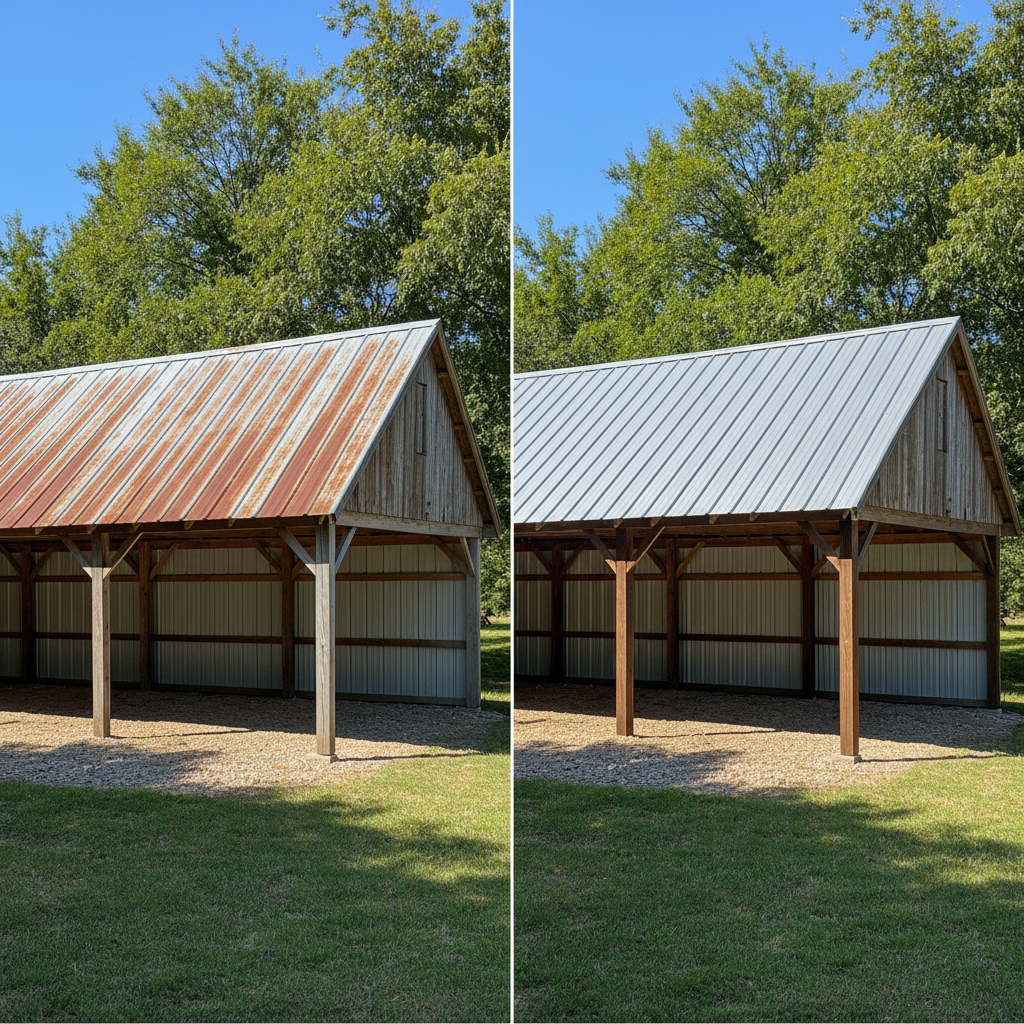
Alright, so you're looking at a metal roof for your place here in Dallas. Smart move. They last forever, look sharp, and can really stand up to our crazy Texas weather. But when you start digging into it, you'll find there are two main ways to put these things on: screw-down and standing seam. And trust me, they're not the same. Let's break down what you need to know.
What's a Screw-Down Metal Roof?
This is probably what most folks picture when they think 'metal roof.' It's also called an exposed fastener system. Basically, the metal panels are laid directly onto your roof deck or purlins, and then they're screwed right through the face of the panel into the structure below. You can see the screw heads. They'll usually have a little rubber washer under them to seal things up.
The Good Stuff (Pros):
Cost: This is usually the big one for screw-down. It's almost always cheaper upfront. The materials are less expensive, and it takes less time to install, so labor costs are lower too. If budget is your absolute top priority, this is your go-to.
Installation: It's a simpler process. Not 'easy' by any stretch, but less complex than standing seam. This means it can often be installed quicker.
Durability (Initial): The metal itself is tough. It'll handle hail, high winds, and sun like a champ for a long time.
The Not-So-Good Stuff (Cons):
Maintenance: Here's the kicker. Those exposed screws? They're the weak point. Over time, especially with our intense Dallas sun and temperature swings, those rubber washers can degrade, crack, and dry out. When that happens, water's got a path in. You'll likely need to re-torque or replace screws every 10-15 years, sometimes sooner. That's a maintenance cost you need to factor in.
Appearance: You see the screws. Some people don't mind it, but it definitely gives a more utilitarian or agricultural look. It's not as sleek or modern as standing seam.
Longevity: While the metal panels can last 50+ years, the *system's* effective lifespan is often limited by those fasteners. You might get 20-30 years before you're dealing with significant fastener issues, which can lead to leaks.
What's a Standing Seam Metal Roof?
Now, this is the Cadillac of metal roofing. With a standing seam system, the panels are designed with raised ribs (the 'seams') that interlock or are mechanically seamed together. The fasteners are completely hidden underneath these seams. You won't see a single screw head on the surface of your roof.
The Good Stuff (Pros):
Durability & Longevity: This is where standing seam shines. No exposed fasteners means no common leak points. The panels can expand and contract freely with temperature changes, which is huge in Dallas where we go from freezing to 100+ degrees. This system can easily last 50-70 years, often with minimal maintenance.
Maintenance: Seriously low. Once it's on, you're pretty much good to go for decades. You won't be up there replacing screws every few years.
Appearance: It looks fantastic. Clean lines, sleek, modern. It adds significant curb appeal and value to your home. You see these on high-end custom homes and commercial buildings for a reason.
Weather Resistance: Superior. The interlocking seams create a very strong, continuous barrier against wind, rain, and hail. It's built to shed water, not just hold it back at each fastener.
The Not-So-Good Stuff (Cons):
Cost: Yeah, it's more expensive upfront. Materials are more specialized, and the installation requires skilled labor and more time. You're looking at a significantly higher initial investment compared to screw-down.
Installation Complexity: It's not a DIY job for most folks. You need experienced installers who know how to properly seam the panels and handle the flashing details. This isn't something you want a fly-by-night crew doing.
My Recommendation for Dallas Homeowners
Look, if you're building a barn, a workshop, or a shed where aesthetics aren't the top priority and you're okay with some potential maintenance down the road, a screw-down roof is a perfectly fine, cost-effective choice. For agricultural buildings, it's often the standard, and Dallas Pole Barn Solutions has put plenty of them on. They do the job.
But for your home here in Dallas? For something you plan to live in for decades, something that protects your biggest investment, and something you want to add value to? I strongly recommend standing seam.
Here's why: our weather here is brutal. We get baking sun that degrades rubber, sudden torrential downpours, and sometimes even hail big enough to dent a truck. The ground in North Texas, especially with our expansive clay soils, means houses can shift a bit over the years. A standing seam roof is designed to handle all of that with grace and minimal fuss. You pay more upfront, yes, but you're buying peace of mind, superior longevity, and a roof that will genuinely outlast you with very little maintenance.
Think of it this way: you're not just buying a roof; you're buying a long-term solution. The extra cost for standing seam is an investment that pays off in reduced maintenance, increased home value, and not having to worry about leaks every time a big storm rolls through. You won't regret it.