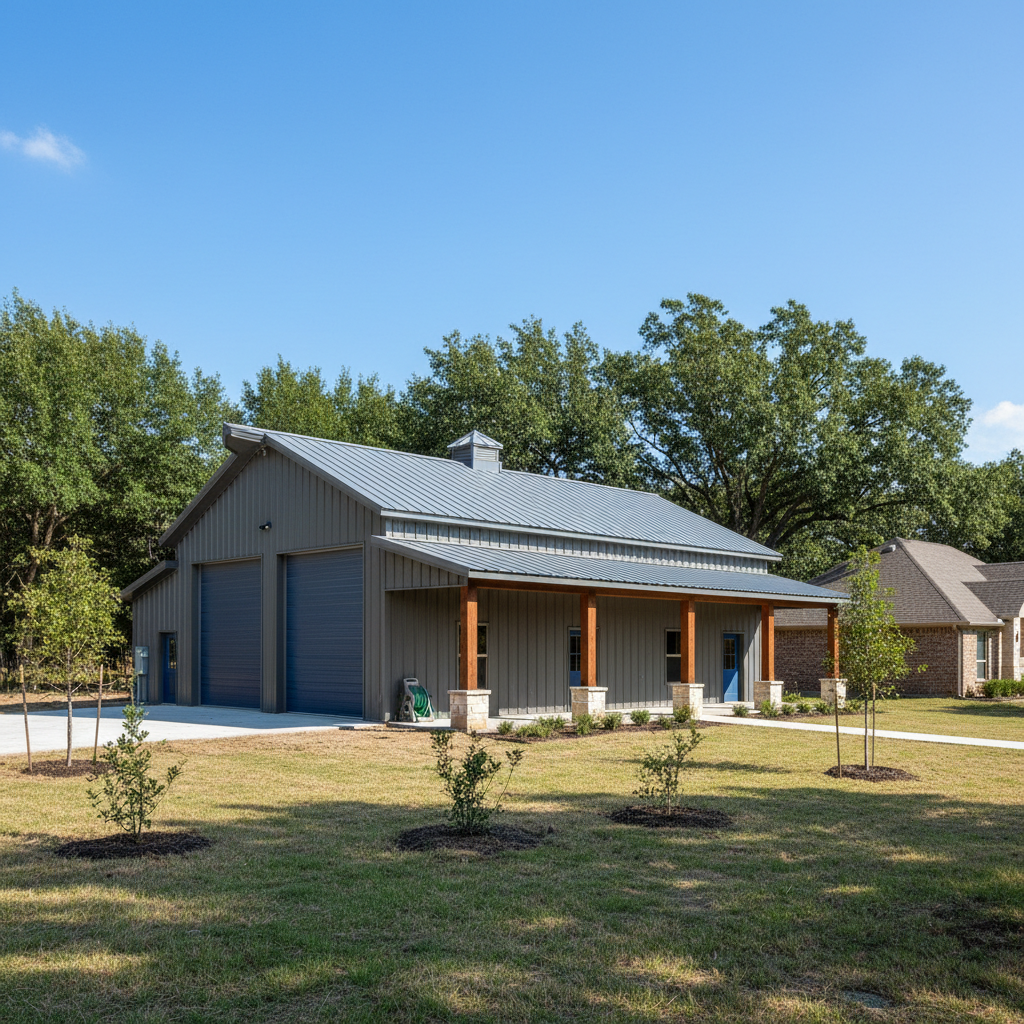
Alright, you're thinking about putting up a pole barn here in Dallas. Smart move. They're versatile, durable, and can add a ton of value, whether it's for a workshop, storage, or even a barndominium shell. But before you jump in, you need to pick the right crew for the job. And believe me, there are plenty of folks out there who'll talk a good game but can't deliver. I've seen it all, and I want to make sure you don't get burned. Here's my no-nonsense guide to hiring a pole barn contractor in our neck of the woods.
Questions to Ask Every Contractor
When you've got a few names, don't just ask for a price. You need to dig deeper. These questions will tell you a lot about who you're dealing with:
- How long have you been building pole barns specifically? Some general contractors dabble, but you want someone who specializes. Pole barns have their own quirks, especially with our expansive clay soils here in Dallas that can really shift things around if not properly accounted for.
- Can you provide references from recent projects? And I mean recent, like in the last year or two. Don't just take their word for it. Call those folks up. Ask about communication, timelines, and if they'd hire them again.
- What's your process for permitting and inspections in Dallas County or my specific city? This is huge. Permitting can be a headache, and you want a contractor who knows the local rules inside and out. If they shrug or say 'you handle it,' that's a red flag.
- What kind of warranty do you offer on your work? A good contractor stands behind their build. Get the details in writing.
- How do you handle changes or unexpected issues during the build? Things happen. You want to know they have a plan for it and communicate clearly.
- Are you fully insured and bonded? They should have general liability and workers' compensation. Ask for proof, and don't just take their word for it. You don't want to be liable if someone gets hurt on your property.
What to Look For in a Quote
You'll get a few quotes, and they won't all look the same. Don't just compare the bottom line. You need to compare apples to apples:
- Detailed breakdown: A good quote isn't just one number. It should list out materials (lumber, steel, roofing, concrete, doors, windows), labor, site prep, and any other costs. If it's vague, push for more detail.
- Material specifications: What grade of lumber are they using? What gauge steel for the siding and roof? What's the concrete PSI? Cheaper materials mean a cheaper price, but also a less durable building. You get what you pay for.
- Inclusions and Exclusions: What's included in the price? Is site clearing part of it? What about electrical or plumbing rough-ins? What's definitely NOT included? Make sure there are no surprises.
- Payment schedule: How much up front? When are progress payments due? A reputable contractor won't ask for 50% or more upfront. Typically, it's 10-20% to start, then payments tied to milestones.
- Timeline: Does the quote include an estimated start and completion date? Weather here in North Texas can throw a wrench in things, but they should still give you a reasonable timeframe.
Red Flags You Can't Ignore
Some things should make you walk away, no matter how good the price seems:
- Cash-only deals: This screams shady. They're likely trying to avoid taxes, and if they're cutting corners there, where else are they cutting corners?
- No contract or a super vague one: Everything needs to be in writing. Period.
- High-pressure sales tactics: 'Sign today or the price goes up!' is a classic trick. A good contractor will give you time to think and compare.
- Unwillingness to provide references or proof of insurance: If they can't or won't, consider them disqualified.
- They badmouth every other contractor: Professional contractors focus on their own work, not tearing down competitors.
- Price seems too good to be true: It probably is. Nobody's giving away pole barns. A significantly lower bid often means they're cutting corners on materials, labor, or simply don't know what they're doing.
Verifying Legitimacy
Before you sign anything, do your homework. It's easy with a few clicks:
- Check their license: While Texas doesn't license general contractors statewide, many cities and counties require registration or specific permits. Check with your local city's building department.
- Look them up on the Better Business Bureau (BBB): See if they have complaints or a poor rating. It's not the be-all and end-all, but it's a data point.
- Online reviews: Google Reviews, Yelp, Facebook – take them with a grain of salt, but look for patterns. Are there consistent complaints about similar issues?
- Verify insurance: Ask their insurance company directly for a certificate of insurance listing you as an additional insured for the project's duration. Don't just accept a photocopy from the contractor.
- Check their physical address: Do they have a legitimate office or just a P.O. box? A local presence, like us at Dallas Pole Barn Solutions, means we're invested in the community and easier to track down if there's an issue.
Hiring a contractor is a big decision, and you're investing a lot of your hard-earned money. Take your time, ask the right questions, and trust your gut. A little due diligence upfront can save you a whole lot of headaches and money down the road. You want a pole barn that stands strong for decades, not one that gives you problems after the first big storm rolls through. Good luck with your project!