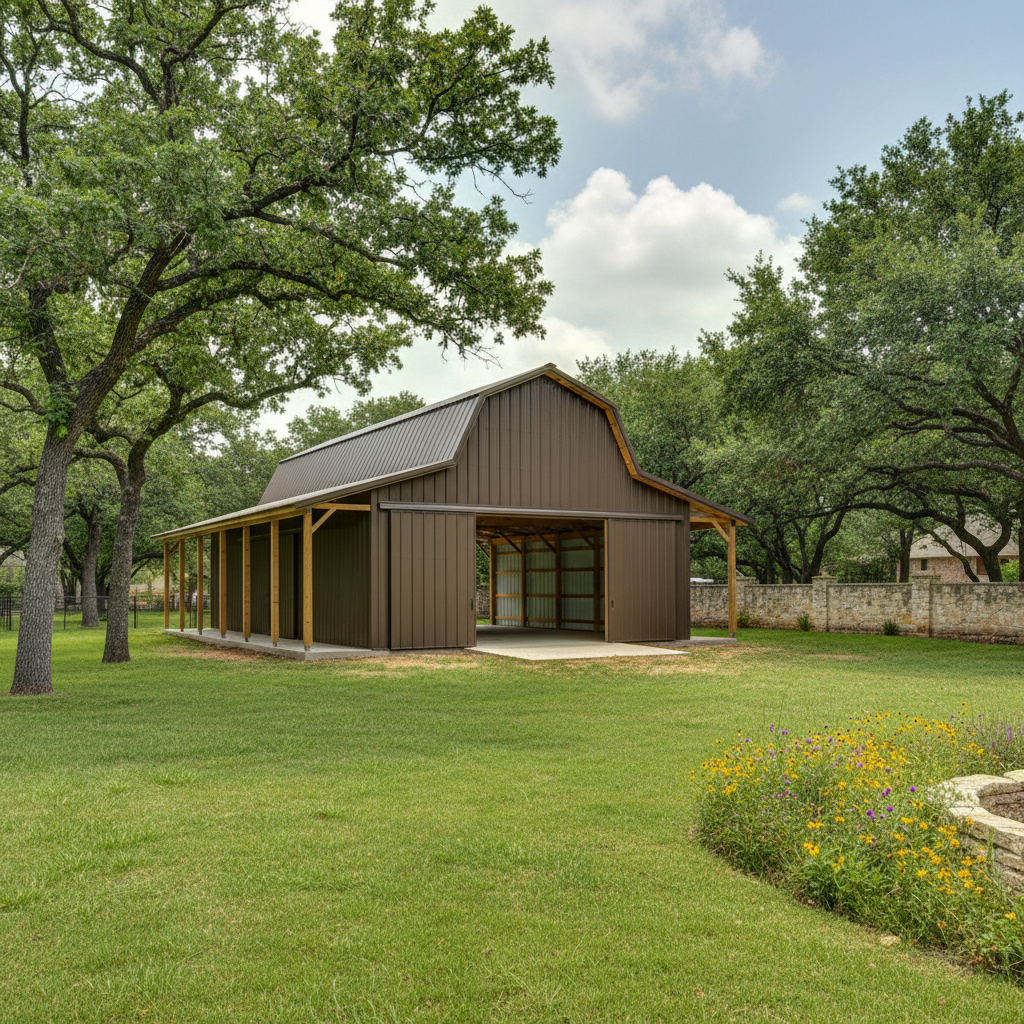
So, you've got a pole barn. That's fantastic! Whether you're using it for equipment storage, a workshop, or even as a barndominium, it's a pretty big investment. But here in Dallas, our weather? It doesn't exactly play nice. It's not just about building it correctly; you also need to know how to keep it in good shape, year after year, no matter what Mother Nature throws our way.
When to Build: Timing Your Pole Barn Project in Dallas
Timing really is everything, especially when you're pouring concrete and setting posts. I've seen plenty of folks try to rush things, and honestly, it usually costs them more in the long run. The sweet spot for starting a new pole barn project around here? That would be fall or early spring. That's when you're generally going to miss the worst of the heat and the heaviest rains.
- Fall (September-November): This is prime time, no doubt about it. The summer heat finally breaks, and while we can still get some rain, it's usually not the torrential downpours we see in spring. The ground is often drier, which makes excavation and foundation work a lot smoother. Plus, you can often get the main shell up and enclosed before the real cold hits, giving you all winter to finish out the interior if that's part of your plan.
- Early Spring (March-April): Another good window. You're past the freezing temperatures, and the ground is starting to dry out from winter. You'll definitely want to keep an eye on the forecast for those pop-up thunderstorms, but generally, it's workable. Just remember, if we get a really wet spring, delays can happen.
- Summer (May-August): Sure, you *can* build in summer, but it's tough going. The heat is brutal on crews, concrete cures way too fast if you're not careful, and afternoon thunderstorms can wash out a workday in a hurry. If you absolutely have to build in summer, plan for early starts and be ready for potential weather delays.
- Winter (December-February): This is usually the slowest time for new construction. Freezing temperatures make concrete work tricky, and while Dallas doesn't get a ton of snow, we do get ice and cold snaps that can halt work completely. If you're just putting up a simple shell with no concrete, it's more feasible, but still not ideal.
Dallas Weather's Impact on Your Pole Barn
Our climate isn't just about being hot or cold; it's about extremes and rapid changes. You really need to think about how each season affects your structure.
Summer's Scorch and Sudden Storms
The Dallas summer sun is no joke. It bakes everything, right? This means your metal siding and roofing are going to expand and contract a lot. That's why proper fasteners and panel overlaps are absolutely crucial. If they're not installed correctly, you'll eventually see oil canning or even leaks. And then there are the summer storms. We get some serious wind and hail here. Make sure your roof is properly secured and your gutters (if you have them) are clear. A good quality metal roof, like the ones we install at Dallas Pole Barn Solutions, is designed to handle this, but nothing's invincible if you don't maintain it.
Fall's Fluctuations and Foundation Focus
Fall can be beautiful, but it's also when we start seeing bigger temperature swings. This is where your foundation really comes into play. Dallas soil, especially our expansive clay, moves a lot with moisture changes. If your pole barn has a concrete slab, make sure you're managing drainage around it. You definitely don't want water pooling up against the foundation, causing it to heave or settle unevenly. Keep those gutters clean and direct runoff away from the building.
Winter's Chill and Unexpected Ice
We don't get long, harsh winters, but when a cold snap hits, it can be a doozy. Freezing rain and ice are a real concern. Check your roof for any potential ice damming spots, especially if you have a lower-pitched roof. While pole barns are generally robust, heavy ice accumulation can put a lot of stress on the structure. Also, if you've got any plumbing in your pole barn, make sure it's properly insulated and winterized.
Spring's Showers and Structural Stress
Spring brings the rain, and often, a lot of it. This is when you want to be extra vigilant about drainage. Make sure water isn't collecting around your posts or foundation. Check for any signs of erosion around the base of the building. High winds are also common in spring, so a quick visual inspection of your siding and roofing for any loose panels or fasteners after a big storm is always a good idea. Small issues caught early are always easier and cheaper to fix, wouldn't you agree?
Protecting Your Investment Year-Round
It really boils down to regular checks and proactive maintenance. Don't wait until you've got a problem. Walk around your pole barn a few times a year, especially after any major weather events.
- Check fasteners: Look for any loose screws on your siding or roofing. They can back out over time with all that expansion and contraction. Tighten them up or replace them if they're stripped.
- Inspect seals and flashing: Around doors, windows, and roof penetrations, make sure all seals and flashing are intact. This is where water loves to find its way in.
- Clear gutters and downspouts: This is a big one. Clogged gutters can lead to water backing up onto your roof or spilling directly onto your foundation, causing all sorts of problems.
- Monitor drainage: Make sure the ground slopes away from your pole barn on all sides. If you see standing water, you've got a problem that needs addressing.
- Look for pest intrusion: Critters love warm, dry spaces. Check for signs of rodents or insects, especially around the base and any openings. Seal up any entry points you find.
Your pole barn is built to last, but it's not a set-it-and-forget-it kind of deal, especially with our Dallas weather. A little bit of attention throughout the year will save you a lot of headaches and money down the road. Keep an eye on things, and if you ever spot something that looks off or you're just not sure about, give us a call at Dallas Pole Barn Solutions. We're always happy to take a look.