Alright, so you're thinking about putting up a commercial pole barn here in Dallas. Maybe it's for a workshop, some serious storage, or even a small business operation. That's a smart move; these buildings are tough, versatile, and can be pretty cost-effective. But before you grab a shovel, let's talk about what you're really getting into. It's not just slapping up some posts and a roof. There's a process, and knowing it upfront saves you a ton of headaches and money, believe me.
Before You Even Think About Breaking Ground
First things first, you've got to figure out what you actually need. What's this pole barn going to be used for? How big does it need to be? Think about future expansion too. It's way cheaper to build it a little bigger now than to add on later. Sketch out a rough plan. Where on your property will it go? Consider access, drainage, and utility lines. You don't want to dig into a water main or power line, trust me.
Next up, permits. This is huge in Dallas. You can't just build whatever you want, wherever you want. You'll need to check with the City of Dallas Planning and Zoning Department. They'll tell you about setbacks, height restrictions, and what kind of building codes apply to a commercial structure. Don't skip this step. Building without a permit is a nightmare waiting to happen, and it'll cost you way more in fines and rework than just doing it right the first time. You'll likely need stamped engineering plans for a commercial build, which means you'll definitely be talking to a professional engineer.
Soil conditions are another big one, especially around here. We've got that expansive clay soil in a lot of Dallas neighborhoods, which can shift and swell with moisture. That can wreak havoc on foundations if you're not prepared. A soil test isn't always required for a simple pole barn, but for a commercial structure, it's often a good idea, or at least something your builder will factor into the foundation design. This isn't a DIY job; you'll need a geotechnical engineer for that.
During the Build: What You Can Tackle and When to Call Us
So you've got your plans and your permits. Now the fun begins. Or, depending on your skill level, the hard work begins. A lot of folks ask what they can do themselves. Here's my take:
- Site Prep: You can absolutely handle clearing the site. Removing brush, small trees, and getting rid of debris. If it's a relatively flat site, you might even manage some basic grading with rented equipment. But if you're talking about serious excavation, leveling a sloped property, or dealing with significant drainage issues, a pro is your best bet. They've got the heavy machinery and the know-how to get it right. Proper site prep is critical for a stable foundation.
- Foundation & Post Setting: This is where I start getting nervous about DIY for a commercial building. Pole barns rely on those posts being set deep and true. For a commercial structure, you're looking at specific depths, concrete collars, and often engineered footings to handle the loads. If those posts aren't plumb and properly anchored, your whole building is compromised. This is a job for experienced crews, like the ones at Dallas Pole Barn Solutions. We've got the equipment to dig precise holes and ensure everything is perfectly aligned.
- Framing: Erecting the main frame – the trusses, purlins, and girts – requires precision, safety equipment, and usually a lift. It's heavy work, and one mistake can be dangerous. Unless you've got a crew of experienced framers and the right gear, I'd say leave this to the pros. We can get a frame up safely and quickly.
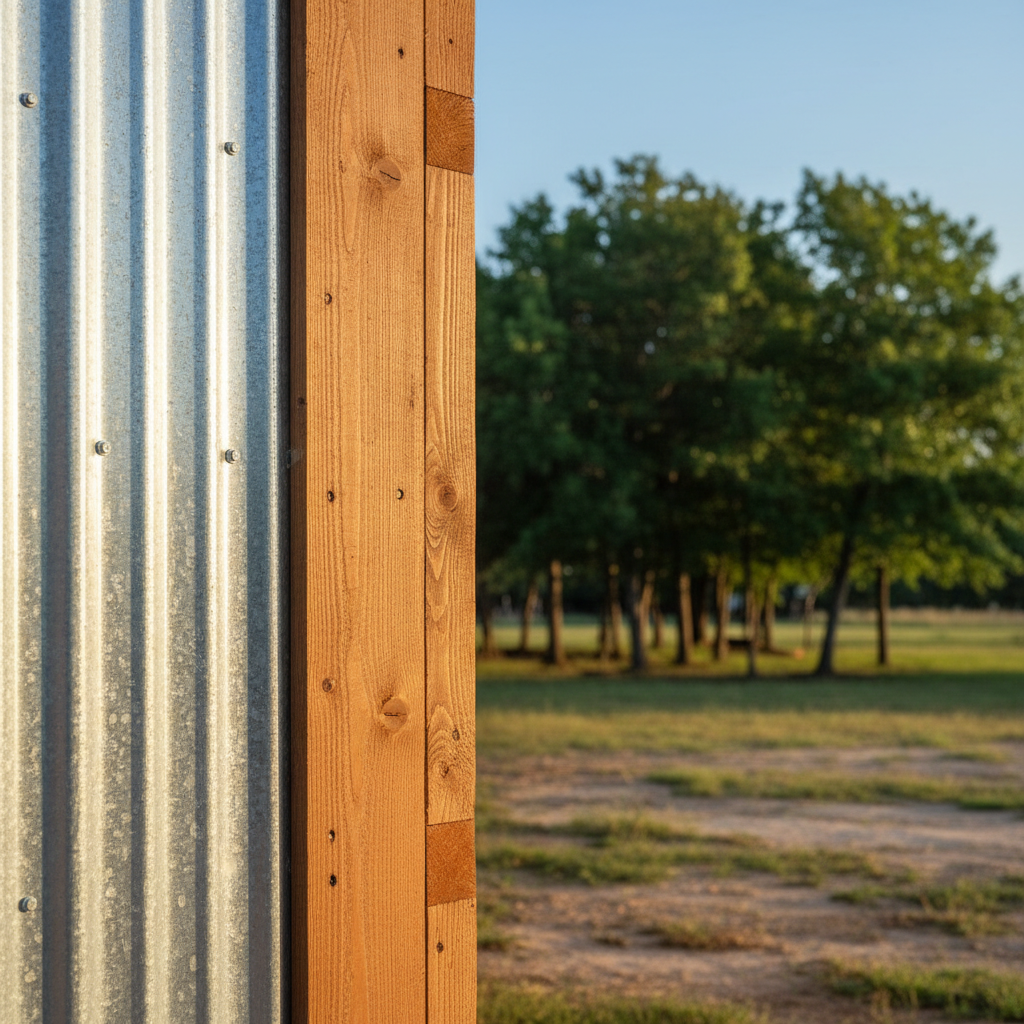
- Roofing & Siding: Installing metal roofing and siding can be done by a homeowner, especially if you're handy. It's repetitive, but it requires attention to detail to prevent leaks and ensure a clean finish. You'll need specialized tools like metal shears, screw guns, and safety harnesses. Just make sure you're following the manufacturer's instructions carefully for overlaps and fasteners. If you're not confident working at heights or dealing with large, unwieldy panels, hiring it out makes sense.
- Finishing Touches: Interior work like insulation, electrical, plumbing, and adding doors and windows? A lot of this you can definitely do yourself if you have the skills. Just remember that for electrical and plumbing in a commercial building, you'll likely need licensed contractors to do the work and get it inspected. Don't mess around with wiring or pipes if you're not qualified; it's a safety hazard and an inspection nightmare.
After the Build: Keeping Your Investment Solid
Once your commercial pole barn is up, your job isn't quite done. Regular maintenance is key to making it last. Check your roof and siding periodically for any loose fasteners, dings, or signs of wear. Heavy Dallas storms, especially those hailstorms we get, can do a number on metal. Address any issues quickly before they turn into bigger problems.
Keep an eye on your drainage around the building. Make sure gutters are clear and water is flowing away from the foundation. Pooling water is never good. Inspect your doors and windows to ensure seals are still tight and they're operating smoothly. If you've got any interior finishes, just treat them like you would any other building.
A commercial pole barn is a serious investment, and it's built to last for decades. Taking the time to plan it right, knowing when to bring in the experts, and then keeping up with basic maintenance will ensure it serves your business well for years to come. Don't hesitate to reach out if you've got questions about your specific project here in Dallas; we're always happy to talk shop.